

Complete Guide to Diabetic Management: How to Keep Blood Sugar Under Control
Receiving a diabetes diagnosis can feel overwhelming. Questions about diet, medication, and long-term health may cloud your mind. However, diabetes is not a sentence to poor health—it is a condition to be managed. With the right knowledge, daily habits, and expert support, you can achieve excellent blood sugar control and live a full, vibrant life.
At Dr. Lodaya Hospital in Haveri, we empower our patients with education and personalized care. This comprehensive guide breaks down the essential pillars of diabetes management, giving you a clear roadmap to take control of your health.
Understanding Your Blood Sugar: The Core of Diabetes Management
Diabetes means your body struggles to regulate blood glucose (sugar), its primary energy source.
- * In Type 1 Diabetes, the body produces little to no insulin, the hormone that allows glucose to enter cells.
- * In Type 2 Diabetes, the body becomes resistant to insulin or doesn’t produce enough.
The goal of management is to keep your blood sugar levels within a healthy target range, avoiding dangerous highs (hyperglycemia) and lows (hypoglycemia). This requires a balanced, multi-faceted approach.
The Four Pillars of Successful Diabetes Management
Think of managing diabetes as building a strong house. It needs four solid pillars to stand firm.
Pillar 1: Nutrition & Diet – Your Foundation
What you eat directly impacts your blood sugar. The goal is not deprivation, but smart, balanced eating.
- Key Principles:
- * Choose Complex Carbohydrates: Opt for whole grains (oats, brown rice, quinoa), legumes, and vegetables over refined carbs (white bread, sugary drinks). They break down slowly, preventing spikes.
- * Plate Method: Visualize your plate: fill ½ with non-starchy vegetables, ¼ with lean protein (chicken, fish, tofu), and ¼ with complex carbs.
- * Be Mindful of Portions: Even healthy foods affect blood sugar in large amounts.
- * Limit Sugary and Processed Foods: These cause rapid blood sugar increases.
- Our Support:
- At Dr. Lodaya Hospital we create personalized, culturally appropriate meal plans that fit your lifestyle and preferences.
Pillar 2: Regular Physical Activity – Your Natural Regulator
Exercise helps your muscles use glucose for energy, lowering blood sugar levels and improving insulin sensitivity.
- Key Principles:
- * Aim for Consistency: At least 150 minutes per week of moderate activity (brisk walking, cycling, swimming) is ideal.
- * Add Strength Training: Include resistance exercises (weights, bands) 2-3 times a week to build muscle, which burns more glucose.
- * Stay Active Daily: Simple changes like taking the stairs or walking after meals make a difference.
- Important:
- Always check your blood sugar before and after exercise, especially if you take insulin, to prevent lows.
Pillar 3: Medication Adherence – Your Essential Support
For many, diet and exercise alone are not enough. Medications are a crucial tool, not a sign of failure.
- * Oral Medications: Various pills work in different ways—some help your pancreas produce more insulin, others improve insulin sensitivity or reduce glucose production in the liver.
- * Injectable Medications: This includes insulin (essential for Type 1, often needed in advanced Type 2) and other injectables like GLP-1 receptor agonists that help manage appetite and blood sugar.
- Our Support:
- Our doctors will prescribe the right medication regimen for you, explaining its role and importance. Never stop or adjust medication without consulting your doctor.
Pillar 4: Regular Monitoring & Check-ups – Your Navigation System
You can’t manage what you don’t measure. Tracking provides the data you and your doctor need.
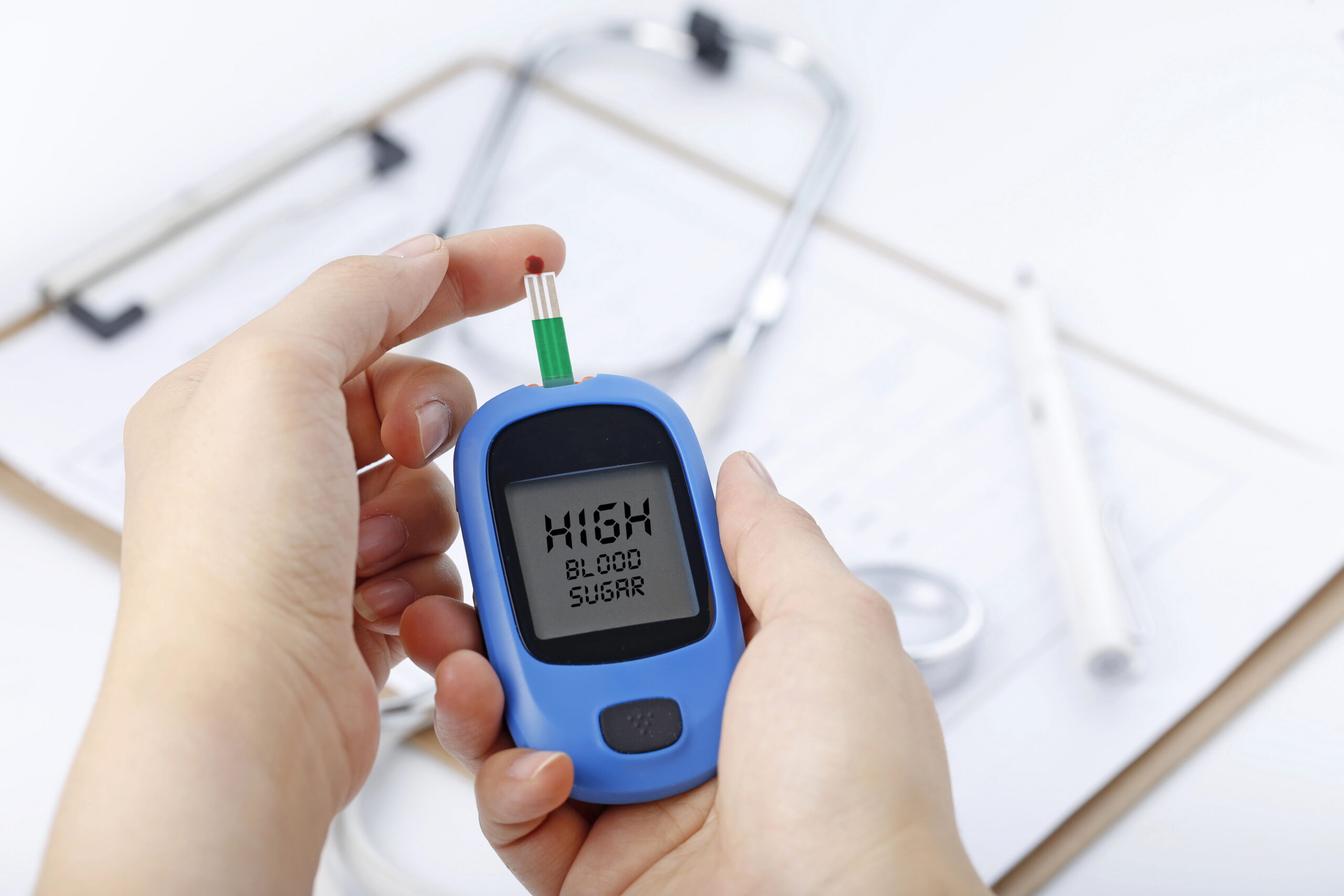
- * Home Blood Glucose Monitoring: Regular finger-prick checks help you see the impact of food, exercise, and stress.
- * HbA1c Test: This crucial lab test, done every 3-6 months at Dr. Lodaya Hospital, shows your average blood sugar level over the past 2-3 months. It’s the gold standard for assessing long-term control (goal is typically below 7%).
Regular Health Screenings: Diabetes affects the whole body. We schedule regular checks for blood pressure, cholesterol, kidney function, and eye/feet exams to prevent complications.
Building Your Personalized Management Plan at Dr. Lodaya Hospital
Diabetes is highly individual. What works for one person may not work for another. That’s why a personalized plan is non-negotiable.
Our integrated diabetes care program includes:
- 1. Comprehensive Assessment: Detailed evaluation of your health status, lifestyle, and challenges.
- 2. Goal Setting: Collaboratively setting realistic targets for HbA1c, weight, and other health markers.
- 3. Education & Coaching: Group workshops and one-on-one sessions on carb counting, medication management, and problem-solving.
- 4. Multi-Specialty Coordination: Seamless care involving endocrinologists, dietitians, diabetic educators, and foot/cardiac specialists as needed.
- 5. Continuous Support & Adjustment: Regular follow-ups to track progress, celebrate successes, and adjust your plan as your life and body change.
Take Control of Your Health Journey Today
Managing diabetes is a lifelong journey, but you don’t have to walk it alone. With the right knowledge, tools, and expert team beside you, stable blood sugar and excellent health are achievable goals.
If you feel uncertain about your management plan or your numbers are not on target, it’s time for expert guidance.
We invite you to schedule a comprehensive diabetes management consultation at Dr. Lodaya Hospital. Let us help you build your personalized strategy for lasting health.
Contact Dr. Lodaya Hospital in Haveri to book your appointment with our diabetes care specialists.