


Acidity: Causes, Symptoms, Treatment and Prevention
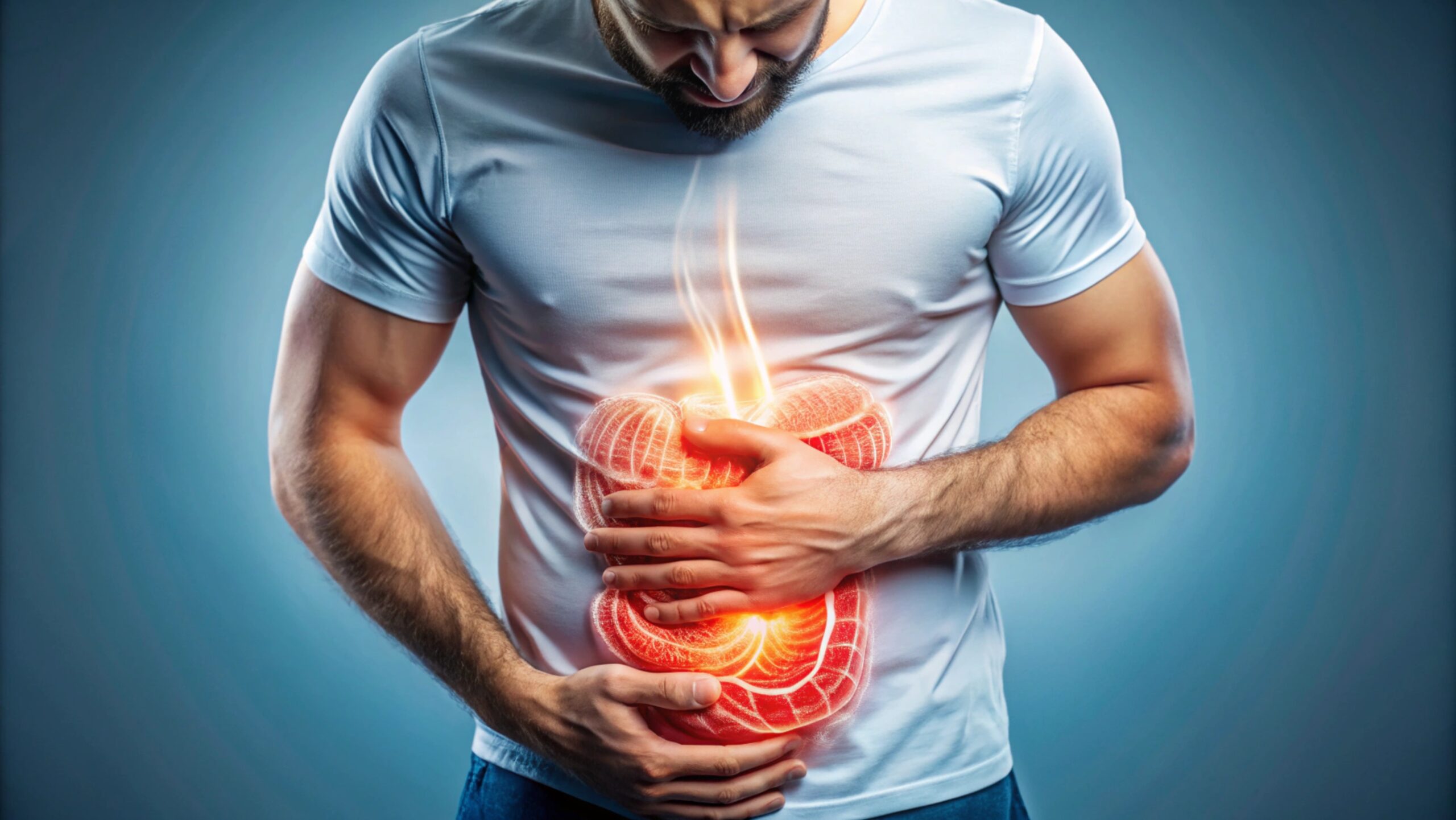
Acidity, or acid reflux, is one of the most common digestive complaints worldwide. That burning sensation in your chest after a meal, the sour taste in your mouth, or the uncomfortable bloating—these are signs that stomach acid is causing trouble.
While occasional acidity is normal, persistent symptoms can affect your quality of life and may indicate an underlying condition requiring medical attention. At Dr. Lodaya Hospital in Haveri, our gastroenterology team specializes in diagnosing and treating acid-related disorders, helping patients find lasting relief.
What is Acidity?
Acidity occurs when stomach acid flows backward (refluxes) into the esophagus. Unlike the stomach lining, which is protected by mucus, the esophagus is sensitive to acid. Repeated exposure causes irritation and the characteristic burning sensation known as heartburn. [1]
The stomach produces hydrochloric acid to digest food. A ring of muscle called the lower esophageal sphincter (LES) normally acts as a valve, keeping acid in the stomach. When this valve weakens or relaxes inappropriately, acid escapes upward. [2]
According to the National Institute of Diabetes and Digestive and Kidney Diseases (NIDDK) , approximately 20% of adults in Western countries experience GERD symptoms weekly. [1] In India, studies suggest up to 25% of adults suffer from acid reflux symptoms. [3]
Common Causes of Acidity
Dietary Triggers
|
Trigger
|
How It Causes Acidity
|
|---|---|
|
Spicy foods
|
Irritate the stomach lining [2]
|
|
Fried and fatty foods
|
Slow digestion, causing acid to remain longer [4]
|
|
Coffee and tea
|
Stimulate acid secretion [2]
|
|
Carbonated drinks
|
Cause bloating and pressure [2]
|
|
Alcohol
|
Relaxes the LES and irritates the stomach [4]
|
Lifestyle Factors
- Eating large meals: Increases pressure on the LES. [2]
- Eating late at night: Lying down soon after eating allows acid to flow backward. [8]
- Obesity: Excess abdominal fat increases pressure on the stomach. [4]
- Smoking: Weakens the LES and reduces saliva production. [2]
- Stress: Can increase acid production. [7]
Symptoms of Acidity
Common Symptoms
- Heartburn: Burning sensation in the chest, often after eating or at night [1]
- Regurgitation: Sour or bitter liquid backing up into your throat [2]
- Bloating and belching [2]
- Nausea [1]
- Chronic dry cough, especially at night [2]
When to Seek Immediate Medical Attention
- Severe chest pain radiating to the arm, neck, or jaw (may indicate a heart attack) [1]
- Difficulty breathing [1]
- Vomiting blood or passing black, tarry stools [2]
- Unexplained weight loss [2]
- Persistent difficulty swallowing [2]
Important: Chest pain can be a sign of a heart attack. Seek emergency care immediately if you experience severe chest pain. [1]
Complications of Untreated Acidity
|
Complication
|
Description
|
|---|---|
|
Esophagitis
|
Inflammation and damage to the esophageal lining [6]
|
|
Esophageal stricture
|
Narrowing due to scar tissue [2]
|
|
Barrett's esophagus
|
Precancerous changes (affects 10-15% of chronic GERD patients) [6]
|
The American College of Gastroenterology notes that early diagnosis and management significantly reduce the risk of these complications. [2]
Evidence-Based Treatment Options
A systematic review published in Archives of Internal Medicine found that lifestyle interventions significantly improve GERD symptoms. [7]
1. Lifestyle Modifications (First-Line)
- Eat smaller, more frequent meals [7]
- Avoid trigger foods [2]
- Don’t lie down for 2-3 hours after eating [8]
- Elevate the head of your bed by 6-8 inches [7]
- Maintain a healthy weight [4]
- Quit smoking and limit alcohol [2]
2. Medications
- Antacids
- H2 Blockers
- PPIs
For moderate to severe cases, our gastroenterologists may prescribe stronger PPIs or antibiotics (if H. pylori is detected). [2, 5]
3. Advanced Procedures
For patients who don’t respond to medication, we offer endoscopy and surgical options like fundoplication. [8]
Prevention: Simple Steps to Avoid Acidity
Dietary Habits
- Eat mindfully and chew slowly [7]
- Finish dinner at least 3 hours before bedtime [8]
- Limit caffeine and alcohol [2]
- Keep a food diary to identify triggers [7]
Foods That Help
- Oatmeal: Absorbs acid, high in fiber [7]
- Bananas: Natural antacid properties [7]
- Ginger: Anti-inflammatory, aids digestion [7]
- Green vegetables: Alkaline [7]
- Low-fat yogurt: Probiotics support gut health [7]
When to See a Doctor at Dr. Lodaya Hospital
Acidity doesn’t have to control your life. With the right combination of lifestyle changes, medical treatment, and expert guidance, you can find lasting relief.
We invite you to schedule a consultation with our gastroenterology team at Dr. Lodaya Hospital, Haveri.
Contact Dr. Lodaya Hospital in Haveri to book your appointment.
References
- 1. National Institute of Diabetes and Digestive and Kidney Diseases (NIDDK). “Acid Reflux (GER & GERD) in Adults.” Available at: https://www.niddk.nih.gov/health-information/digestive-diseases/acid-reflux-ger-gerd-adults
- 2. Katz PO, Dunbar KB, Schnoll-Sussman FH, et al. “ACG Clinical Guideline for the Diagnosis and Management of Gastroesophageal Reflux Disease.” American Journal of Gastroenterology. 2022;117(1):27-56.
- 3. Bhatia SJ, Reddy DN, Ghoshal UC, et al. “Epidemiology and symptom profile of gastroesophageal reflux in the Indian population.” Indian Journal of Gastroenterology. 2011;30(2):70-75.
- 4. Chang P, Friedenberg F. “Obesity and GERD.” Gastroenterology Clinics of North America. 2014;43(1):161-173.
- 5. Malfertheiner P, Megraud F, O’Morain CA, et al. “Management of Helicobacter pylori infection.” Gut. 2017;66(1):6-30.
- 6. Spechler SJ, Souza RF. “Barrett’s Esophagus.” New England Journal of Medicine. 2014;371(9):836-845.
- 7. Kaltenbach T, Crockett S, Gerson LB. “Are lifestyle measures effective in patients with gastroesophageal reflux disease?” Archives of Internal Medicine. 2006;166(9):965-971.
- 8. Gyawali CP, Kahrilas PJ, Savarino E, et al. “Modern diagnosis of GERD: the Lyon Consensus.” Gut. 2018;67(7):1351-1362.