


Gut Health: Tips, Foods & Habits for Better Digestion
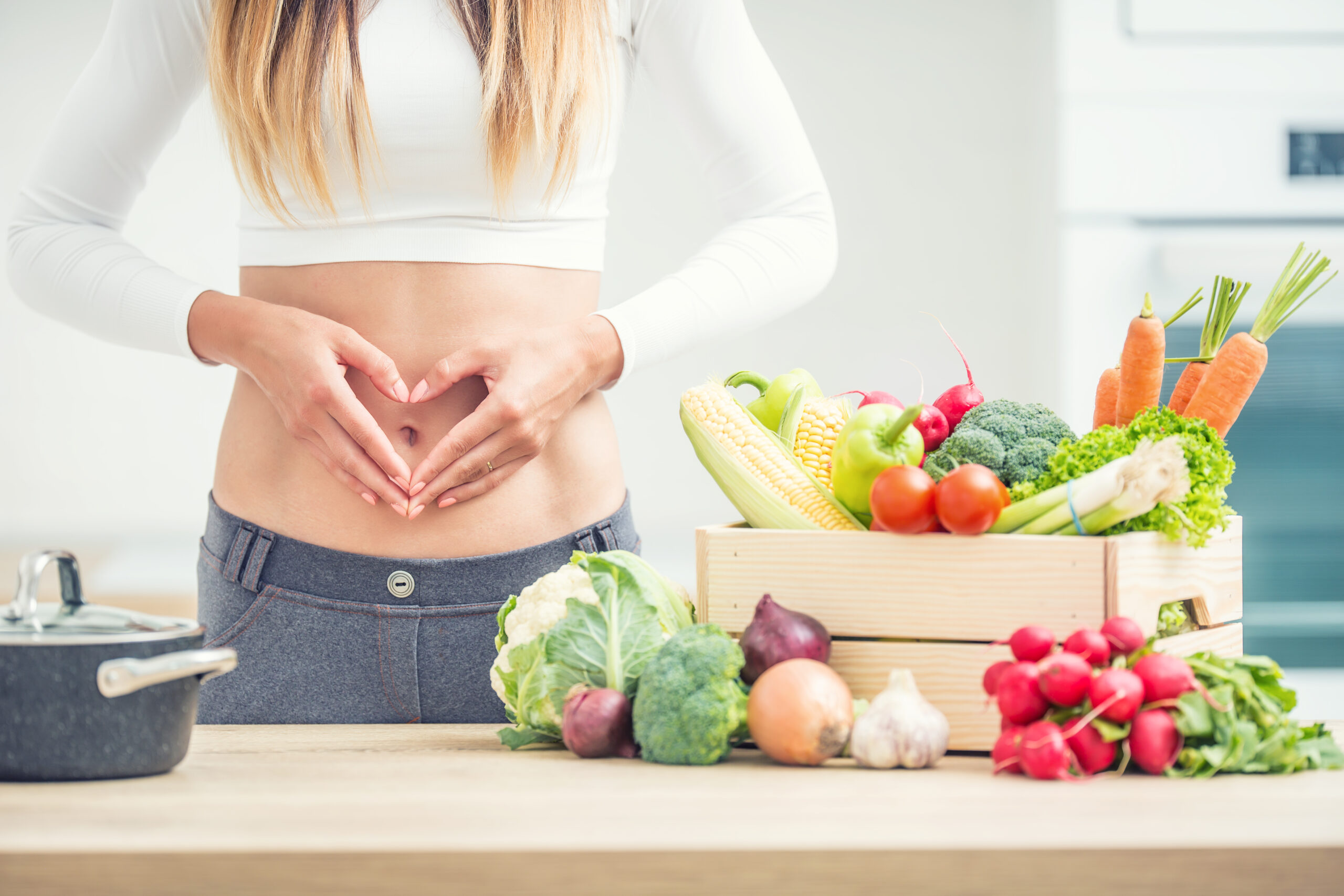
Do you frequently feel bloated, sluggish, or uncomfortable after meals? Do you struggle with irregular digestion, heartburn, or unexplained fatigue? You are not alone. Digestive complaints are among the most common health issues, yet they are often dismissed as “normal.”
At Dr. Lodaya Hospital in Haveri, we know that good digestion is the foundation of good health. When your gut functions properly, you absorb nutrients better, feel more energetic, and even experience a brighter mood. The good news is that small, consistent changes to your daily routine can transform your digestive health.
This guide shares simple, science-backed tips, gut-friendly foods, and healthy habits to help you feel your best from the inside out.
Why Gut Health Matters More Than You Think
Your digestive system does more than break down food. It houses 70-80% of your immune cells, produces mood-regulating neurotransmitters like serotonin, and communicates constantly with your brain. When your gut is happy, your whole body benefits.
Signs of a healthy gut:
- * Regular, comfortable bowel movements (1-2 times daily)
- * Minimal bloating or gas after meals
- * Good energy levels throughout the day
- * Clear skin and sound sleep
- * Strong immunity (rarely getting sick)
Signs your gut needs attention:
- * Frequent bloating, constipation, or diarrhea
- * Acid reflux or heartburn
- * Food intolerances (feeling unwell after certain meals)
- * Persistent fatigue or brain fog
- * Skin issues like acne or eczema
If you recognize these warning signs, it’s time to nourish your gut.
Top 10 Gut-Friendly Foods to Add to Your Plate
What you eat directly feeds your gut microbiome—the trillions of bacteria living in your digestive tract. Here are the best foods for a thriving gut:
1. Fiber-Rich Vegetables
Leafy greens (spinach, kale), broccoli, carrots, and artichokes provide prebiotic fiber that feeds good bacteria.
2. Fermented Foods
Yogurt (with live cultures), kefir, kimchi, sauerkraut, and kombucha contain probiotics—live beneficial bacteria.
3. Whole Grains
Oats, brown rice, quinoa, and barley are rich in fiber that supports regular bowel movements.
4. Legumes
Lentils, chickpeas, and beans are excellent prebiotic sources. Start with small portions if you’re not used to them.
5. Fruits (Especially Berries & Bananas)
Berries are high in antioxidants; slightly green bananas provide resistant starch that feeds gut bacteria.
6. Nuts & Seeds
Almonds, walnuts, flaxseeds, and chia seeds provide fiber and healthy fats that reduce gut inflammation.
7. Garlic & Onions
These contain inulin and fructooligosaccharides (FOS), powerful prebiotics that stimulate good bacterial growth.
8. Ginger & Turmeric
Both have anti-inflammatory properties that soothe the digestive tract and reduce bloating.
9. Bone Broth
Rich in collagen and gelatin, it helps repair the gut lining (beneficial for leaky gut).
10. Green Tea
Contains polyphenols that support healthy gut bacteria and reduce inflammation.
Quick tip: Introduce new foods gradually to allow your gut to adjust, and drink plenty of water throughout the day.
7 Daily Habits for Better Digestion
Food is only one piece of the puzzle. Your daily habits are equally important. Incorporate these practices into your routine:
1. Eat Mindfully, Slowly & Without Distractions
Digestion begins in your mouth. Chew each bite thoroughly (20-30 times). Put away your phone and TV. Eating in a relaxed state activates your parasympathetic nervous system (“rest and digest”).
2. Stick to Regular Meal Times
Your gut thrives on routine. Try to eat at similar times each day to regulate digestive rhythms and bowel movements.
3. Stay Hydrated (But Not During Meals)
Aim for 8-10 glasses of water daily to keep stools soft. Avoid drinking large amounts during meals, as it can dilute stomach acid. Sip water between meals instead.
4. Manage Stress
Chronic stress directly impairs digestion, leading to bloating, cramps, or diarrhea. Practice deep breathing, meditation, or gentle yoga daily. Our acupuncture and quantum healing services at Dr. Lodaya Hospital can also help calm your nervous system.
5. Move Your Body
Moderate exercise (walking, jogging, swimming) stimulates intestinal contractions and reduces constipation. Even a 15-minute walk after meals makes a difference.
6. Prioritize Sleep
Poor sleep disrupts the gut microbiome and increases inflammation. Aim for 7-8 hours of quality sleep nightly. Keep a consistent bedtime and avoid screens before bed.
7. Limit Gut Irritants
Reduce or avoid processed foods, excessive sugar, artificial sweeteners, fried foods, and alcohol. These promote harmful bacteria and trigger inflammation.
What to Avoid for a Healthy Gut
Sometimes, eliminating the wrong foods is as important as adding the right ones.
|
Food/Dietary Component
|
Why It Harms Gut Health
|
|---|---|
|
Highly processed foods
|
Lack fiber, contain additives that disrupt gut bacteria
|
|
Added sugars & high-fructose corn syrup
|
Feed harmful bacteria and yeast (Candida)
|
|
Artificial sweeteners (aspartame, sucralose)
|
Alter gut microbiome composition negatively
|
|
Excessive alcohol
|
Damages gut lining and reduces bacterial diversity
|
|
Fried & fatty foods
|
Slow digestion and promote inflammation
|
|
Gluten or dairy (for sensitive individuals)
|
Can trigger immune reactions and leaky gut
|
If you suspect certain foods cause you distress, an elimination diet under medical guidance can help identify triggers.
When to Seek Professional Help
If you’ve tried lifestyle changes for 4-6 weeks and still experience persistent digestive issues, it’s time to consult an expert. You may need advanced evaluation for conditions like:
- * Small Intestinal Bacterial Overgrowth (SIBO)
- * Food sensitivities or celiac disease
- * Inflammatory bowel disease (IBD)
- * Leaky gut syndrome
- * Gut dysbiosis (microbial imbalance)
At Dr. Lodaya Hospital, our functional medicine approach uses advanced testing—comprehensive stool analysis, tests for nutrients, minerals, toxic materials, and heavy metals in the body—to uncover the root cause of your digestive problems. We don’t just treat symptoms; we heal your gut.
Your Next Step to Better Digestion & Total Wellness
You don’t have to live with bloating, discomfort, or unpredictable digestion. Small, consistent changes in your diet and daily habits can transform how you feel. And when you need expert guidance, we are here to help.
We invite you to schedule a consultation with our functional medicine team at Dr. Lodaya Hospital, Haveri. Let us create a personalized gut health plan tailored to your unique needs—so you can finally enjoy food, feel energized, and thrive.
Contact Dr. Lodaya Hospital today to book your appointment.