


Diabetic Foot Care: Early Warning Signs, Prevention & Treatment
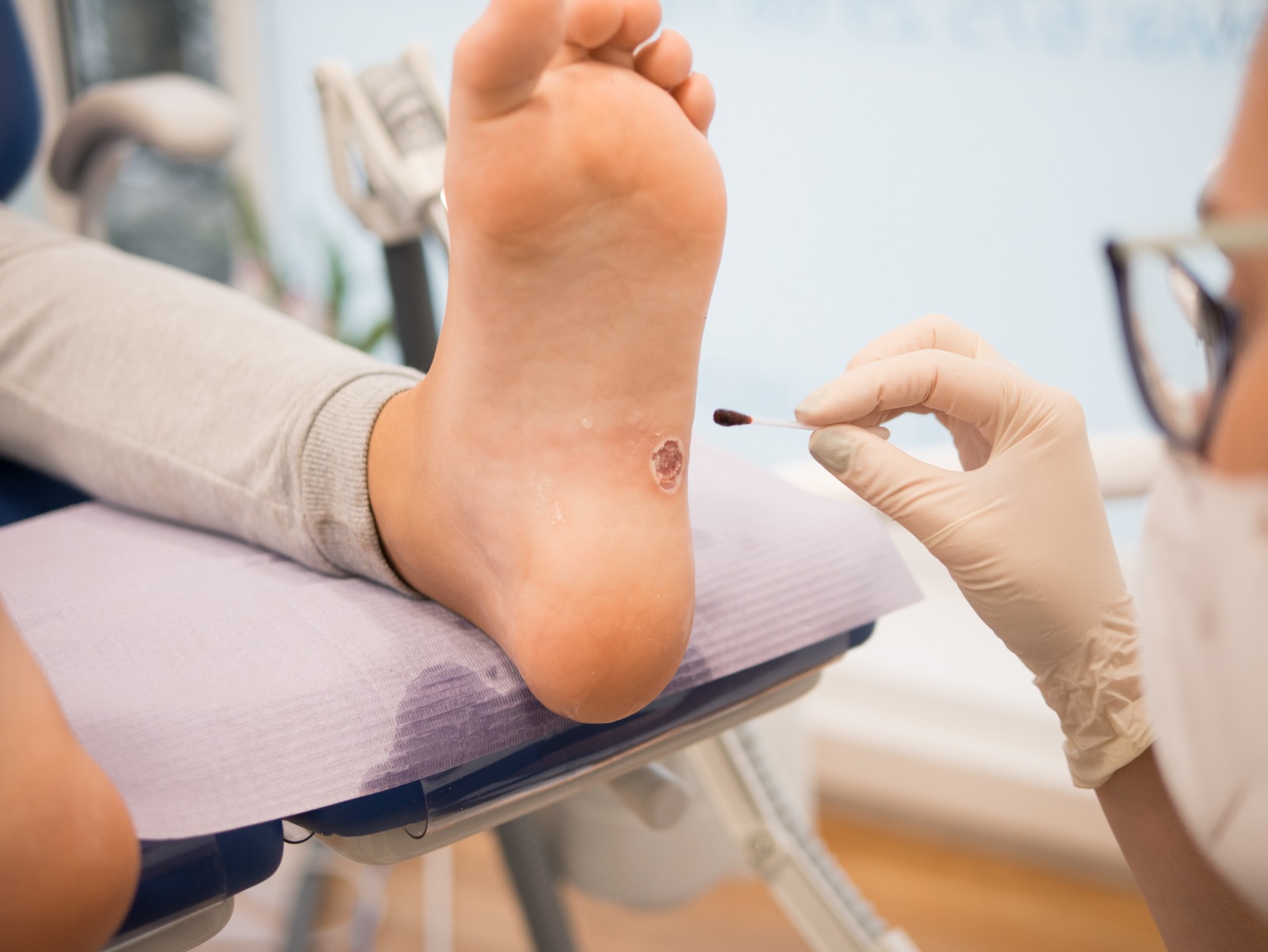
For individuals living with diabetes, a small cut, blister, or callus on the foot isn’t just a minor annoyance—it can be the starting point of a serious complication. Diabetic foot problems are a leading cause of hospitalization and can, in severe cases, lead to amputation. The alarming fact is that damage often happens silently, without pain, due to nerve damage (neuropathy).
At Dr. Lodaya Hospital in Haveri, our diabetic care team is dedicated to preventing these devastating outcomes. With proactive daily care and expert medical supervision, most diabetic foot complications are entirely preventable. This guide will empower you with the knowledge to protect your feet every day.
Why Are Feet at Special Risk in Diabetes?
Diabetes can cause two major changes that put your feet in danger:
- 1. Diabetic Neuropathy (Nerve Damage): High blood sugar over time can injure the nerves in your feet and legs. This means you might not feel pain, heat, or cold. A pebble in your shoe or a blister from tight shoes could go unnoticed until it becomes a severe wound or infection.
- 2. Peripheral Artery Disease (PAD): Diabetes often leads to poor blood circulation in the extremities. Reduced blood flow makes it harder for sores or infections to heal, as the body can’t deliver enough oxygen and nutrients to fight infection and repair tissue.
This combination of lost sensation and poor healing creates a perfect storm for minor issues to become major threats.
Early Warning Signs: What to Look for Every Day
You must be your own first line of defense. Perform a daily foot inspection. If you cannot see the bottom of your feet, use a mirror or ask a family member for help.
Seek immediate medical attention at Dr. Lodaya Hospital if you notice ANY of the following:
- 1. Skin & Color Changes
- * Dry, cracked skin, especially on heels
- * Redness, warmth, or swelling
- * Unusual coldness or a blue/black discoloration
- 2. Injuries & Sores
- * Any cut, blister, burn, scrape, or bruise that does not start to heal in a few days
- * A sore, ulcer, or wound that develops for no clear reason
- * Drainage (pus) or a foul smell from a wound
- 3. Nerve-Related Signs
- * Tingling, burning, “pins and needles,” or shooting pain
- * Numbness or loss of feeling (unable to feel touch)
- * Sharp leg pain or cramps, especially at night
- 4. Shape & Structure
- * New deformities like hammertoes or a collapsed arch
- * A change in the shape of your foot over time
The Golden Rules of Daily Diabetic Foot Prevention
Prevention is always better—and simpler—than treatment. Make these habits part of your daily routine:
- 1. Wash and Inspect Daily: Wash feet in lukewarm (not hot) water. Dry thoroughly, especially between toes. Then, inspect all surfaces for any changes (use the checklist above).
- 2. Moisturize, But Not Between Toes: Apply a good moisturizer to prevent cracking, but avoid the area between toes to prevent fungal infections.
- 3. Trim Nails Carefully: Cut nails straight across and file the edges. Don’t cut too short or dig into corners. If you have poor eyesight or sensation, let a podiatrist or family member do it.
- 4. Never Go Barefoot: Always wear shoes or slippers, even indoors, to protect against unseen injuries.
- 5. Choose Proper Footwear: Wear well-fitting, supportive shoes with a wide toe box. Break in new shoes gradually. Always check inside shoes for foreign objects before putting them on.
- 6. Manage Your Diabetes: This is the most crucial step. Work with your doctor at Dr. Lodaya Hospital to keep your blood sugar, blood pressure, and cholesterol under control to slow the progression of nerve and blood vessel damage.
Our Comprehensive Treatment Approach at Dr. Lodaya Hospital
If a problem is detected, our multi-specialty team provides advanced, coordinated care to heal wounds and save limbs.
1. Immediate Assessment & Debridement
Our specialists will thoroughly clean the wound and remove dead tissue (debridement) to promote healing and assess the damage.
2. Advanced Wound Care
We utilize the latest evidence-based dressings and techniques, including:
- * Specialized Dressings: Antimicrobial, hydrogel, or foam dressings that maintain a moist healing environment.
- * Off-Loading: Using specialized boots, casts, or footwear to take pressure completely off the ulcer—a critical step for healing.
- * Ozone Therapy: Decreases bacterial load, preventing worsening infections.
3. Infection Control & Circulation Management
- * Targeted Antibiotics: For deep or bone infections (osteomyelitis).
- * Vascular Assessment: We evaluate blood flow. If severe PAD is found, we collaborate with vascular surgeons to restore circulation via angioplasty or bypass surgery.
4. Holistic & Supportive Therapies
- * Nutritional Counseling: Optimizing protein and vitamin intake to support tissue repair.
- * Diabetes Education: Intensive coaching to improve glycemic control, which is fundamental to healing.
- * Pain Management: Safe strategies to manage neuropathic pain.
5. Surgical Intervention (When Necessary)
Surgery may be required to remove infected bone, correct deformities causing pressure, or, as an absolute last resort, perform a limited amputation to save the limb and life.
Your Feet Are Your Foundation: Protect Them with Expert Care
Don’t wait for a small problem to become a crisis. Regular professional foot checks are a non-negotiable part of diabetes management.
We strongly urge you to schedule a comprehensive diabetic foot assessment at Dr. Lodaya Hospital if:
- * You have never had a professional foot exam.
- * You have any of the risk factors (neuropathy, poor circulation, foot deformities).
- * You have noticed any of the warning signs mentioned above.
Our compassionate team is here to provide the vigilant care your feet deserve, helping you stay active, healthy, and avoid preventable complications.
Take the next step for your long-term health. Contact Dr. Lodaya Hospital in Haveri today to book your diabetic foot care consultation.